The Strait of Hormuz isn’t just a narrow waterway—it’s the world’s most critical oil artery. And now, fresh reports suggest that Donald Trump, during a critical window of his presidency, instructed top aides to prepare for a lengthy blockade of this strategic chokepoint. This wasn’t contingency planning for a fleeting crisis. It was a pivot toward enduring confrontation—one with ripple effects across global energy markets, military posture, and diplomatic calculations.
The directive, reportedly issued in private meetings with national security officials, underscored a shift from reactive crisis management to long-term operational readiness. Behind closed doors, Trump’s team began mapping out the cascading consequences of a sustained disruption: oil price volatility, naval escalation, and the potential for wider regional conflict.
This wasn’t alarmist speculation. It was preparation for a scenario many in intelligence circles believed could materialize if tensions with Iran crossed a threshold.
The Strategic Weight of Hormuz
The Strait of Hormuz connects the Persian Gulf to the Arabian Sea. Roughly 17–21 million barrels of oil pass through it daily—nearly a third of all seaborne traded oil. For the U.S., any sustained blockade threatens not only global stability but also the economic leverage tied to energy flow.
When Trump told aides to “prep for lengthy” action, he wasn’t just talking about rerouting tankers. He was signaling readiness for a scenario where: - Iranian forces mine the strait or seize commercial vessels - U.S. naval assets engage in prolonged deterrence or escort operations - Global oil prices spike above $100 per barrel - Allies demand military or logistical support
This wasn’t hypothetical war-gaming. It was anticipatory strategy rooted in real-time intelligence.
In mid-2019, just months before the reported directive, Iran seized a British tanker in the Strait—retaliation for the U.K.’s detention of an Iranian oil vessel near Gibraltar. The move rattled markets. The U.S., under Trump, responded with heightened naval presence and new sanctions. But behind the scenes, officials began asking harder questions: What if this isn’t a one-off? What if Iran decides to shut the spigot—not for days, but for months?
Why “Lengthy” Changes Everything
Most crisis planning assumes short-term disruptions. Ports reroute, insurance rates surge, and markets absorb the shock. But a lengthy blockade forces a different playbook.
Trump’s order signaled awareness that short-term responses wouldn’t suffice. A prolonged closure would: - Trigger rationing protocols in vulnerable economies - Require massive naval convoy operations - Necessitate tapping strategic reserves at scale - Strain alliances as nations scramble for supply
Consider Japan and South Korea—both import over 80% of their oil through Hormuz. A weeks-long closure causes concern. A months-long blockade could trigger recession-level shocks.
Trump’s team began stress-testing response plans: - How many U.S. Navy assets could be sustainably deployed? - Could Saudi Arabia and UAE reliably increase overland pipeline capacity? - Would NATO allies contribute naval escorts? - How would China and India respond—if their own shipments were threatened?
The answers shaped a new tier of contingency: not just how to respond, but how to endure.
The National Security Council’s Dilemma
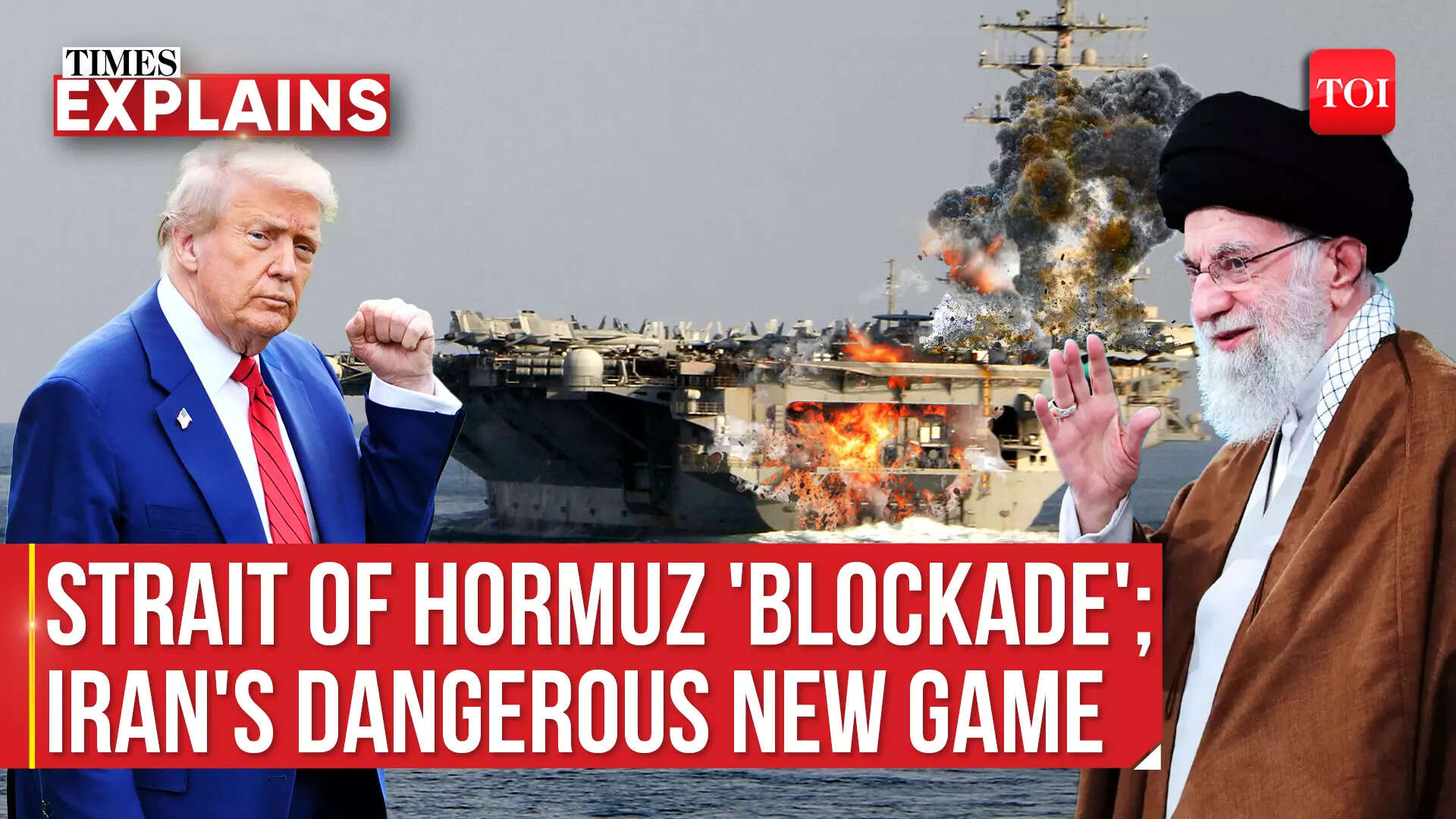
Inside the White House, the directive triggered friction. Some NSC officials warned that preparing for a prolonged blockade could be interpreted as escalation—possibly even inviting the very crisis they were planning to avoid.
But Trump, known for his transactional view of military power, reportedly pushed back. “If they’re going to play hardball,” he said in one meeting, according to sources, “we’ve got to be ready to play a longer game.”
His mindset reflected a broader philosophy: strength through preparedness. By signaling internal readiness for extended conflict, the administration aimed to deter Iran from testing U.S. resolve.
Still, the operational burden was immense. Planning for a months-long blockade required: - Revising fuel allocation priorities - Coordinating with private shipping firms on rerouting logistics - Preparing public messaging to prevent panic - Engaging with oil producers to stabilize supply
One lesser-known outcome: the U.S. quietly accelerated talks with Oman about port access near the strait’s entrance—providing a potential staging ground for naval and logistics operations without operating directly from Persian Gulf bases.
Economic Fallout and Market Signals
Markets don’t wait for official declarations. When whispers of Trump’s directive leaked, oil futures reacted.
Crude prices edged upward, not in panic, but with the steady climb of informed anticipation. Traders began pricing in “Hormuz risk” as a persistent premium—not a temporary spike.
This had real-world effects: - U.S. shale producers delayed maintenance schedules to maintain output - European refiners increased spot purchases from West Africa and the Atlantic Basin - Insurance premiums for Gulf-bound vessels doubled
One energy analyst noted, “When Washington starts planning for months-long disruptions, Wall Street starts rewriting its models.”
The Biden administration later dialed back public rhetoric on Hormuz, but internal continuity remains. The playbook Trump’s team developed—especially around extended naval presence and alliance coordination—still informs current Pentagon planning.
Military and Naval Readiness
A lengthy blockade isn’t just about ships. It’s about endurance.
The U.S. Fifth Fleet, based in Bahrain, would be on the front lines. But sustaining operations over months demands more than destroyers and patrol boats. It requires: - A steady rotation of personnel - Resupply chains for fuel and munitions - Intelligence surveillance over vast maritime zones - Cyber and electronic warfare readiness to counter Iranian drone and missile threats
Trump’s directive led to a quiet overhaul of deployment cycles. The Navy increased forward basing of supply vessels and expanded agreements with regional partners for overflight and docking rights.
One overlooked move: the U.S. began pre-positioning mine-countermeasure systems in Oman and the UAE. These aren’t flashy weapons—but they’re essential if Iran attempts to close the strait with naval mines, a tactic they’ve rehearsed for years.
Diplomatic Calculations and Quiet Backchannels
Even as military planners prepared for worst-case scenarios, diplomacy remained a tool—just not Trump’s preferred one.
The administration leaned heavily on Saudi Arabia and Israel to apply pressure on Iran. Simultaneously, backchannel talks—often routed through Oman or European intermediaries—continued, even during public hostility.
The goal? To signal that while the U.S. was prepared for a long fight, it wasn’t seeking one.

But the “lengthy blockade” prep sent a dual message: America was ready to endure, but so were its adversaries. Iran, too, had spent years building asymmetric capabilities—small fast boats, coastal missile batteries, drone swarms—designed to harass, not defeat, the U.S. Navy.
The balance wasn’t about victory. It was about cost. Trump’s team wanted Iran to know that any blockade would come with unbearable consequences.
What This Means for Future Crises
The lesson isn’t that a Hormuz blockade is inevitable. It’s that the U.S. now plans for duration, not just disruption.
Today, that mindset extends beyond the Middle East. Strategic planners apply the same framework to: - Taiwan Strait tensions - Russia’s Black Sea naval threats - China’s port infrastructure in the Indian Ocean
The template is clear: assume the crisis won’t blow over in a week. Assume supply chains will fracture. Assume allies will demand action.
Trump’s directive may have been born from a specific moment—but it reshaped how the U.S. thinks about prolonged strategic pressure.
For businesses, the takeaway is equally sharp: geopolitical risk isn’t episodic. It’s structural. Companies reliant on global shipping must now account for endurance risk—the possibility that a chokepoint stays closed, not for days, but for months.
Closing: Prepare for the Long Game
The report that Trump told aides to prep for a lengthy Hormuz blockade isn’t just a historical footnote. It’s a blueprint for modern deterrence—a recognition that in an era of hybrid warfare and energy interdependence, readiness means planning for the long haul.
Whether you're in energy, logistics, or policy, the message is the same: don’t plan for the crisis to end quickly. Plan for it to last. Because the next one might.
FAQ
Did Trump ever publicly announce plans for a Hormuz blockade? No. The directive was internal. Trump never made public statements outlining a blockade strategy, but his administration increased military presence and sanctions on Iran.
Could Iran actually block the Strait of Hormuz for months? Fully closing it long-term is unlikely due to U.S. and allied naval power, but Iran could disrupt traffic through mine-laying, seizures, or drone attacks—enough to spike prices and cause delays.
How would a Hormuz blockade affect gas prices in the U.S.? Even a partial disruption could push U.S. gasoline prices up by 50 cents to $1 per gallon, depending on duration and global supply responses.
What role did Saudi Arabia play in these plans? Saudi Arabia was a key partner—providing basing access, intelligence, and assurances of increased oil production if needed to offset supply shocks.
Are these contingency plans still active today? Yes. While public rhetoric has changed, the Pentagon maintains operational plans for prolonged disruptions in key chokepoints, including Hormuz.
Did the U.S. coordinate with allies on these preparations? Yes. The U.S. shared intelligence and coordination plans with the UK, France, Japan, and Gulf allies, though full coalition action would depend on the scenario.
What’s the biggest vulnerability in a long-term Hormuz crisis? Naval fatigue and alliance fragmentation. Sustaining operations over months strains resources, and differing national interests could weaken a unified response.
FAQ
What should you look for in Trump Readies Long-Term Strategy for Hormuz Blockade? Focus on relevance, practical value, and how well the solution matches real user intent.
Is Trump Readies Long-Term Strategy for Hormuz Blockade suitable for beginners? That depends on the workflow, but a clear step-by-step approach usually makes it easier to start.
How do you compare options around Trump Readies Long-Term Strategy for Hormuz Blockade? Compare features, trust signals, limitations, pricing, and ease of implementation.
What mistakes should you avoid? Avoid generic choices, weak validation, and decisions based only on marketing claims.
What is the next best step? Shortlist the most relevant options, validate them quickly, and refine from real-world results.